
Taking Creativity Back From Algorithms
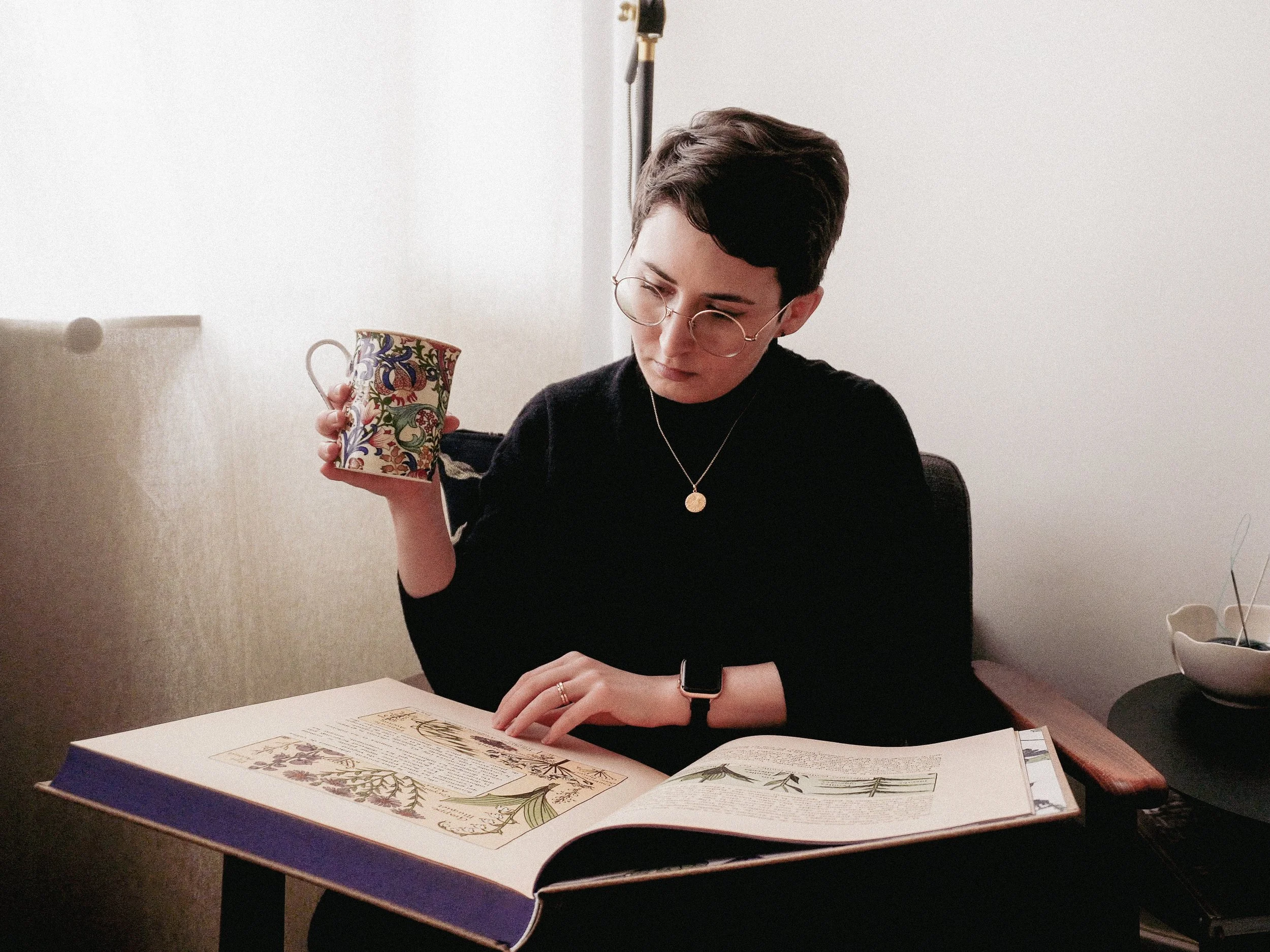
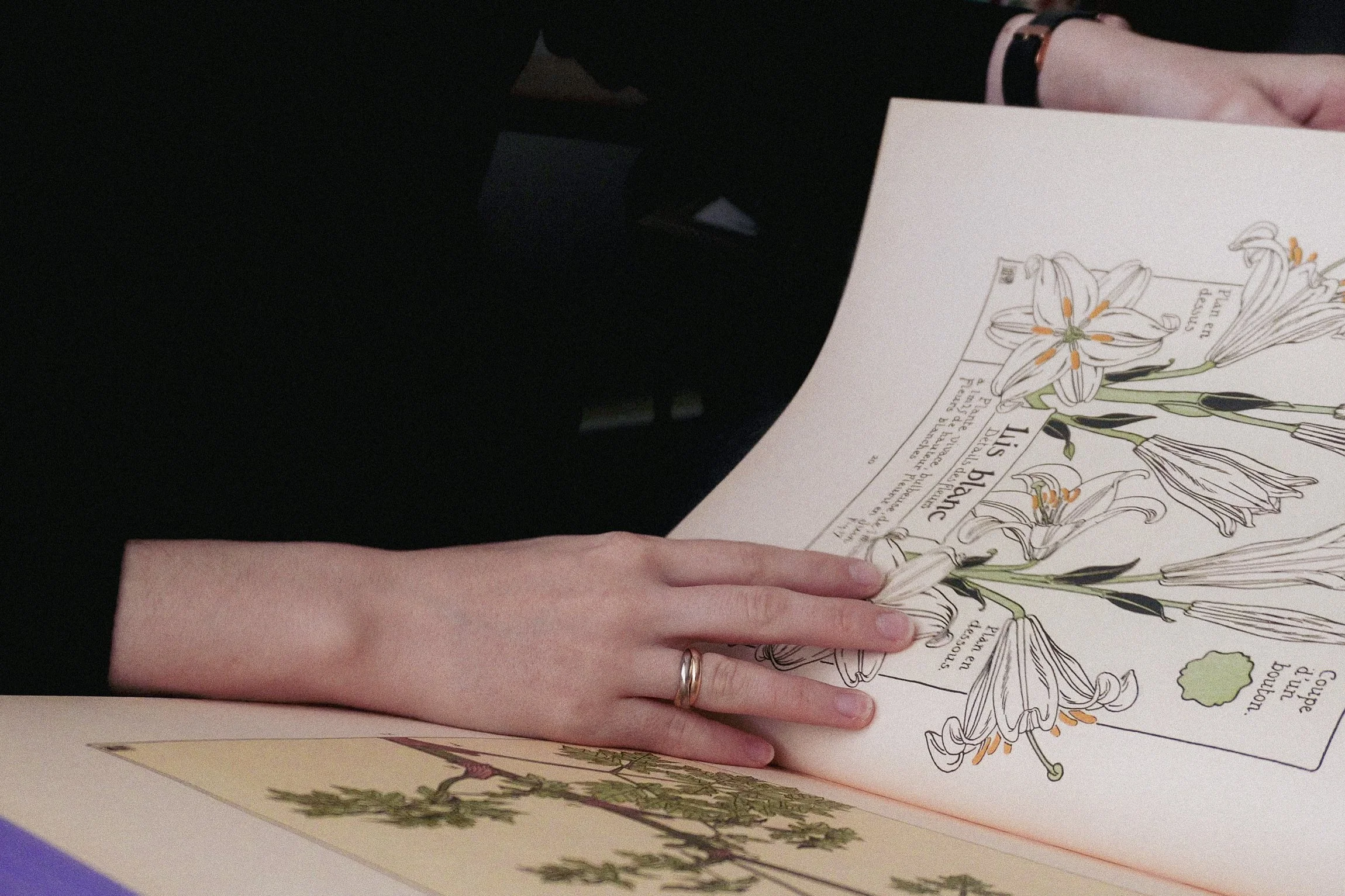
Reading a facsimile of Maurice Pillard Verneuil’s Étude de la plante
There is a huge trend towards living more analog lifestyles, getting off our smartphones or replacing them altogether, and it is a rabbit hole I have fallen into as well. I changed the way I consume media and drastically reduced the time spent on my smartphone, with quicker and stronger results than I was expecting. One of them is a surge of creativity, and getting back into writing with this blog.
Building a more intentional relationship with technology is something everyone can benefit from, but it is especially important for artists. Today, I want to talk about the way our current media consumption and smartphone habits affect our ability to make art, and how to regain our agency, mental space, and creativity.
As this is a long post, here’s a sections summary:
Feeding Creativity explores how what we consume shapes our creative output and the characteristics of algorithm served content
Allowing Creativity to Thrive explores how constant stimulation and algorithm-optimised content impairs our ability to create on multiple levels
Using Technology Intentionally as an Artist offers solutions to consume media mindfully and regain our creative abilities
Feeding Creativity
In Fostering a Perennial Art Practice, I talked at length about creativity, where it comes from and how to nurture it.
While the desire and ability to create is part of the universal human experience, creativity is also shaped by our individual circumstances, and an important part is what we are exposed to. Everything we consume, see, hear or experience shapes what we want to create on some level. Creativity is fed, and the quality and nature of that feed shapes our artistic output.
What Are You Creating From?
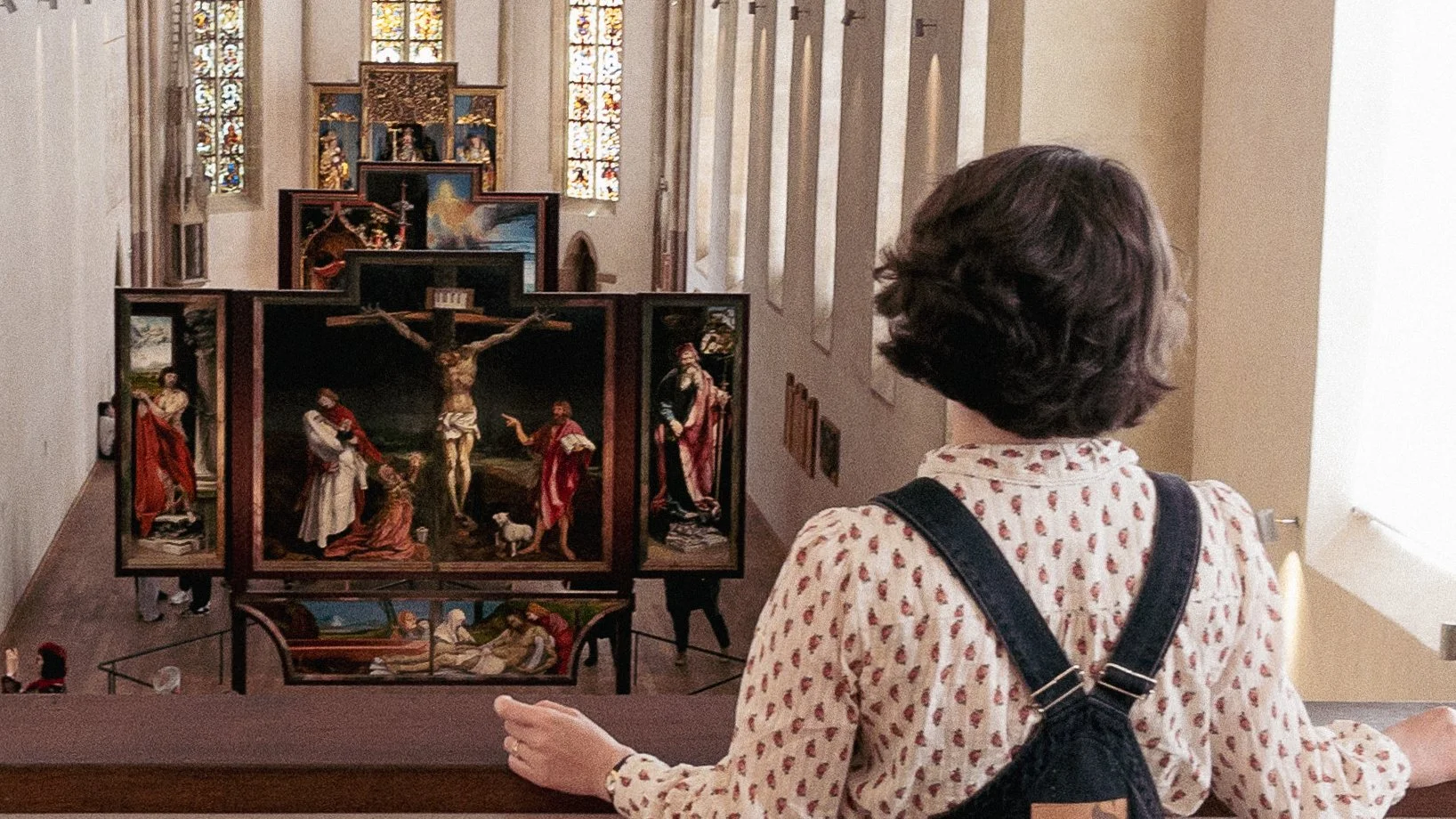
Looking at the Isenheim Altarpiece at the Unterlinden Museum in Colmar
Nothing is created from a void. Invention isn’t about bringing something new into existence, but using existing elements and principles in a new way. Same goes for art: cooking is about combining and preparing ingredients in a new manner rather than finding new ones, writing is about arranging and combining words into new compelling combinations rather than using new ones, and visual arts are all about composing with an existing number of colours, types of marks, and principles.
Far from limiting us, this aspect of creativity gives us a framework, a starting point, and the common language that allow art pieces to resonate with others. Because a cook isn’t working just from unknown ingredients, a writer isn’t putting together meaningless words, a musician isn’t figuring out composition from scratch: the memory of previous dishes, writings and music pieces gives meaning to the materials they are working with, informing their creations. Visual arts are just the same: how we depict form, depth, perspective, and human features are all a result of tradition. It is a language we pick up from the art we are exposed to.
Previous combinations of elements inform the way we create new compositions: we are repeating or transforming, sometimes rejecting, but always reacting to them in some way. And the more exposed we are to a type of composition, the greater its impact on our output.
But it isn’t just other pieces of art in the same medium that inspire us. Everything we see, hear, experience finds its way into our inner world and participates in shaping our creativity.
The best example of this is architecture. While today’s architecture isn’t necessarily inspiring for more classical inclined artists, it used to be considered a very noble art form for its effect on the human spirit. A building is a piece of art surrounding you, communicating something through your sense of sight, hearing, smell, and touch. It can be a deeply moving experience, like entering a religious building, but the simple fact of living by and seeing a type of architecture day after day shapes your imagination. The greater our exposure to art, the greater its effect on our creativity.
Today, a great part of our experience is digital. The images and ideas that feed our creativity are coming to us through a screen. While devices aren’t problematic in themselves, and even blessings in many ways, the uses they are designed to encourage can be problematic. Most of the time spent on a smartphone isn’t dedicated to education, information, or taking advantage of the unbelievable privilege of being able to experience great art from around the world: we are scrolling content fed to us by algorithms.
When exposed to this for a significant amount of time every day, understanding the kind of media algorithms push and how this feed affects our creativity becomes critical.
The Quality What We Consume
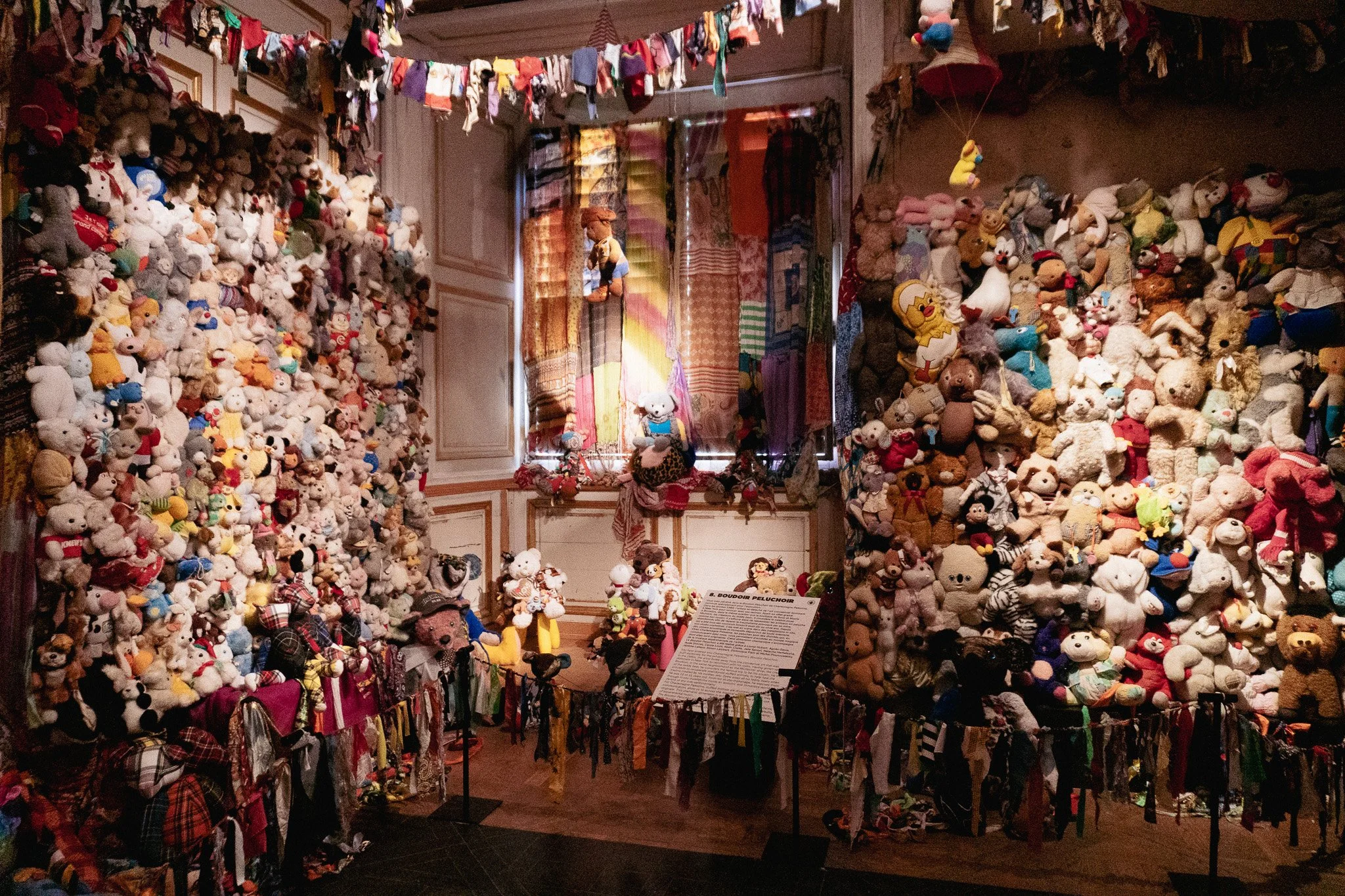
Installation from My Teddy Bear, exhibition at Musée des Arts Décoratifs, Paris
In Is Meaningful Content Creation Possible?, I explained the various ways in which online platforms influence creators and shape the content being shared on them.
The goal of all platforms is to attract and keep users for as long as possible. Unfortunately, this is best achieved by playing on lower impulses of our human nature: as we have evolved to favour lower-effort, quicker-reward activities, high stimulation and entertainment is more effective at grabbing us than deep, educative or nuanced pieces of writing or art. Algorithms whose only purpose is to make us stay on a platform for as long as possible end up feeding us what I like to call intellectual candy. Its low nutritive value, high addictive potential, and easily replicable recipe make it the perfect content from the platform’s perspective.
Every social media, streaming service, online platform that curates a feed through an algorithm with the purpose of keeping users there is subject to this phenomenon. It is gradually changing the nature and quality of everything produced, establishing new canons for writing, visual arts, video, and music.
A few examples include:
Vertical visuals to take up more screen estate;
Aggressive hooks to prevent immediate scrolling past;
Racing speech pace;
High visual stimulation, including colours, contrast, and instinct-triggering imagery;
Multi level stimulation through superposition of images, video, music, and text;
Low-hanging fruits topics to reach as many people as possible;
Intellectual flattening to avoid cognitive discomfort;
An absence of conclusion to keep engagement and encourage consuming more rather than giving a sense of completion;
And more than I can think of.
These aren’t trends or collective preferences: they’re the direct result of how information and art are shared and consumed today. With hours of exposure every day, our expectations and stimulation baseline are shifting, making it harder to appreciate deeper or less stimulating pieces of media. Many of us are aware of it on a personal level, but it is also affecting us artistically.
But spending hours scrolling and consuming algorithm served content every day isn’t just changing our art: it also impairs our very ability to create.
Allowing Creativity to Thrive
Great art can be defined in many ways, but the pieces that deeply move or impress us tend to have similar characteristics. Those can be craft-related, like outstanding draftsmanship, a masterful use of materials or understanding of composition, anything that shows an exceptional involvement or time investment; or message-related, like conveying a deep and relatable feeling, unexpected combinations of ideas or symbols, anything thought or emotion provoking.
These characteristics have one thing in common: they all take time and effort.
Imagination Needs Space

Child goose in Musée du Louvre, Paris
Algorithms aren’t just exposing us to a specific quality of media, but also serving it in an endless flow. With smartphones, instant distraction and gratification are constantly available, reinforcing checking and scrolling habits that replace other forms of media consumption. This is also time taken away from other activities, including underrated ones like resting, daydreaming, and thinking.
While these don’t deliver instant gratification the way a smartphone does, they are are essential to creativity.
Resting, in the sense of mental rest is necessary to sort thoughts and feelings accumulated through the day, lower our stress level, and feel present. We all need breaks through the day. Moments of rest used to be part of a natural rhythm, but as digital work and distraction aren’t subject to opening hours, weather changes, commute, today’s rhythm is a constant high-speed, and any down time we have is filled by smartphone stimulation.
Daydreaming is where ideas are born and explored. It can range from wandering in thought to a deeper dreamlike state, but it is a skill. However, as a less stimulating and immediately gratifying activity, it isn’t standing up against the appeal of scrolling or even just checking emails. Without practice, our ability to daydream atrophies.
Thinking takes effort. Not to merely have thoughts, but to sit with them, tolerate the discomfort of contradictions and working our way to a personal conclusion is a difficult process, but also our most precious ability. Deep and critical thinking is another skill that quickly atrophies when not exerted. It isn’t only important for intellectuals: solving problems is part of any craft, and having original and personal ideas is at the heart of creation.
Content has filled the space where resting, daydreaming and thinking used to live. With constant stimulation, there is nowhere left to make connexions, find ideas within ourselves, explore and develop them: experiencing a lack of creativity today isn’t a character flaw, but a consequence of the way we use technology and algorithms.
And while taking up an increasing amount of space in our lives, algorithms also alter our behaviour and cognitive abilities.
Art Takes Effort
We are highly adaptable creatures. Everything we do on a daily basis is integrated to become a little easier, a little more automatic every time, allowing us to save energy and learn. The more we do something, the more we integrate it.
This is a great feature for survival, but it also means that everything we do participates in shaping who we become. As we interact with smartphones and apps daily, they have have an effect on the way we work, think, and our ability to create, shaping our cognitive processes in different ways:
Building shorter and shallower attention patterns, short form content requiring a shorter attention span than longer medias, while scrolling and app switching promote multitasking, training frequent attention shifts that don’t leave enough time to reach a deep focus;
Increasing our stimulation baseline with a constant concentrated dose of high-speed, high-contrast, colourful content often combining visuals, voice, music and text,
Reducing our tolerance for delayed gratification, as instant gratification in the form of messages, notifications, and stimulation is constantly available.
These effects create a vicious circle, reinforcing scrolling and checking behaviours, which in turn make these patterns stronger and harder to break with time.
Meanwhile, creating art requires:
Focused, sustained attention to build skills, understand complex concepts and perform at a high level;
Tolerance for low-stimulation tasks like long hours of practice or rendering;
The ability to pursue delayed gratification, as a piece of art can only be as good as the effort you put in it, and great art takes time in preparation, execution, or both.
Our typical smartphone use today is directly hurting our ability to create, but none of these effects are permanent. We might never have chosen to get into the vicious cycle of smartphone addiction, but we can choose to build a more intentional relationship with technology, and reconquer everything it has taken from us: time, focus, and creativity.
Using Technology Intentionally as an Artist
The initial idea for this blog post was to share my experience drastically reducing my smartphone use, and how it has affected my creativity. But as the argument for why it matters ended up taking a lot more space than I anticipated, I have decided to share my experience in a different blog post.
Here, I’ll share general principles and ideas for how to use technology intentionally and mitigate its negative effects on our creativity. I hope they help you reconsider your relationship with technology and give algorithms the right place in your life.
An Intentional Approach to Media Consumption
Social media posts, short form content and other medias aren’t negative in themselves, the main problem comes from the mindlessness with which we consume them, and our agency being taken away.
It is perfectly fine to indulge in distractions sometimes, but having them served constantly and taking more and more space in our days is where the vicious cycle starts. The problem isn’t consuming media, or the type of media one consumes, but the algorithm that is selecting and serving those. It is the algorithm that indirectly shapes everything that gets shared on a platform, hooks and keeps us consuming when we don’t want to anymore.
When we think about limiting the amount of media we consume, be it social media or streaming services, the fear of missing out kicks in. If we decide to proceed, setting up time limits or trying to suppress social media consumption altogether, the experience can be so uncomfortable that we soon reinstall the apps and get back into previous habits. Trying to limit or suppress something without an alternative isn’t a sustainable approach.
Rather than removing content from our lives, embracing an intentional relationship with it is a way to stay in touch with the creators we truly want to follow and indulge in the distractions we enjoy, while preserving ourselves from the vicious circle as much as possible.
Consuming media intentionally means choosing if, when, what, and how much we want to consume. In order to regain that agency, we must:
Reduce accessibility, by deleting apps and accessing media through a dedicated device that will naturally limit where and when we consume it, like the home computer;
Reduce exposure and cues, by removing all distraction or social-media related notifications and keeping our most distractive devices out of sight or unplugged;
Bypass algorithms, by accessing media from other channels than platforms with built in algorithms, hiding personalised feed and suggestions, and choosing a chronological timeline when available.
Bypassing algorithms is unfortunately getting harder and harder, as it isn’t just a feature of social medias anymore, but built into more and more services and devices. Consuming media intentionally today has to be an active choice. However, there are ways to redesign your environment to promote a more mindful approach without depriving yourself or missing out on important social posts.
Choose physical media: whenever possible, use CDs, DVDs, books, any type of physical media or dedicated device like music players or e-readers that don’t come with algorithms.
Rent instead of streaming: owning physical media is a form of commitment, it can be costly and takes up a lot of space, but renting is always an option. Most things that can be streamed online can easily be rented there, but also consider your local library.
Start using RSS feeds: RSS readers allow you to aggregate blog posts, podcasts, and sometimes YouTube videos into a truly personalised, chronological feed without any distractions or recommendations. This is a great replacement for scrolling, allowing you to indulge in distractions when you want to, and stay up to date with the content you really like in a chosen and controlled way.
Access online media through a browser: removing socials from your smartphone doesn’t mean you have to quit them. When you access social media from your computer, like it used to be done, checking posts and updates becomes a choice rather than your default in any down time. Using your browser rather than an app also allows you to personalise your experience more with the two following strategies.
Use bookmarks: bookmarks allow you to be strategic. You can save Instagram’s chronological feed or the facebook groups you want to check, or your YouTube subscription feed rather than the default home pages. For streaming services, you can bookmark individual shows, playlists or artists to bypass homepage suggestions.
Hide distractions within your browser: you can hide elements through your browser’s built in features or with extensions, like recommended videos, algorithmic feeds, shorts…
These solutions all require some setup, but they rely on environment design rather than self-discipline, making them a good basis for lasting change. It is about getting out of the algorithms’ influence, and choose what we consume by designing the right conditions to change our habits.
While this can create some discomfort at first, adopting an intentional relationship with technology can have deep benefits for creativity.
Embracing Discomfort to Create More
Algorithms are designed to make using platforms and consuming content as easy and smooth of an experience as possible. After having gotten used to it, choosing to bypass algorithms can feel very uncomfortable at first; but this discomfort is precisely where all the creative rewards of consuming media mindfully and using technology mindfully are to be found.
Embrace the Discomfort of Change to Build Perseverance
The creative process is not an easy one: it is full of uncertainty, frustration, unexpected difficulties and doubts to overcome. To go through it and create a piece of art requires a great deal of perseverance, which is a skill strengthened with practice. To persist in spite of difficulties, in any domain, increases your perseverance in other domains as well.
Embrace Boredom to Cultivate Your Inner World
Ideas, thoughts, and creative connexions are formed and thrive in empty space. The absence of stimulation might come across as boring as first, but daydreaming and deep thinking are also habits and skills. As you retrain these abilities, empty moments become a fertile terrain for creativity like they used to be in childhood.
Embrace Lower Stimulation to Reconquer Your Focus
Our stimulation baseline has been gradually increased over the past decades, and our attention patterns shaped by the tools we use the most. This makes focusing on a single task, keeping our attention on a subject for a substantial length of time uncomfortable and difficult. However, it becomes easier and more enjoyable with practice, and learning to appreciate slower and deeper media will come with greater rewards and higher quality ideas to feed your creativity.
Embrace the Difficulty of Choice to Develop Taste
Algorithm recommendations have become the norm. Making choices takes effort, and the less we are used to it, the more difficult it is. But being in charge of the media you consume makes you appreciate it a lot more, and allows you to cultivate a truly personal taste. Algorithms that predict what you’ll like are attributing you a label that can be limiting, and prevent you from discovering unexpected pieces or genres you could fall in love with. Unique taste and unexpected interests participate in your individuality, and widen your creative possibilities.
Embrace Effort and Delayed Gratification to Make Better Art
That which is easily made is easily forgotten; great art takes skill, time, effort, and the ability to delay the gratification of finishing.
Redesigning your approach to technology will build perseverance, improve focus, help you cultivate taste, and free up the space creation needs. This puts you in a stronger position to make art, but you also need to embrace the discomfort of the creative process itself. There are great rewards to be found in it, and the more art you make, the more you’ll learn to trust the process.
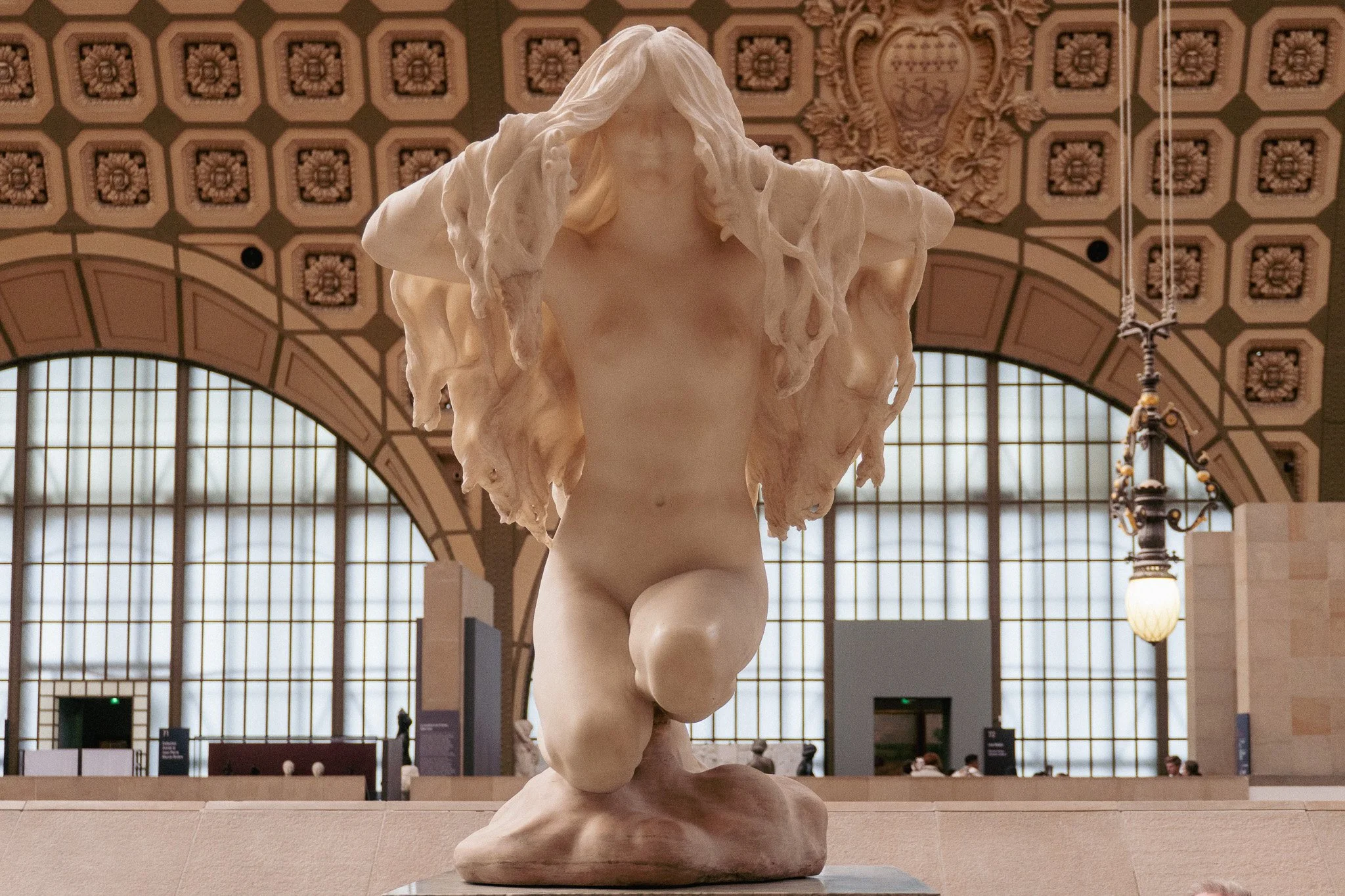
L’Aurore, sculpture by Denys Puech at Musée d’Orsay, Paris
I hope this long post sparked some thoughts for you, and if it did, I would love to read about them in the comments.
I tried to refrain from demonising smartphones and algorithms as much as possible, but their effects are so strong and damaging for creativity, and the benefits I noticed for myself after getting off my smartphone so significant that it’s hard to be moderate. I am pursuing a more analog lifestyle for myself, and I want to advocate for building a more intentional relationship with technology for everyone, and especially artists.
