
Fostering a Perennial Art Practice
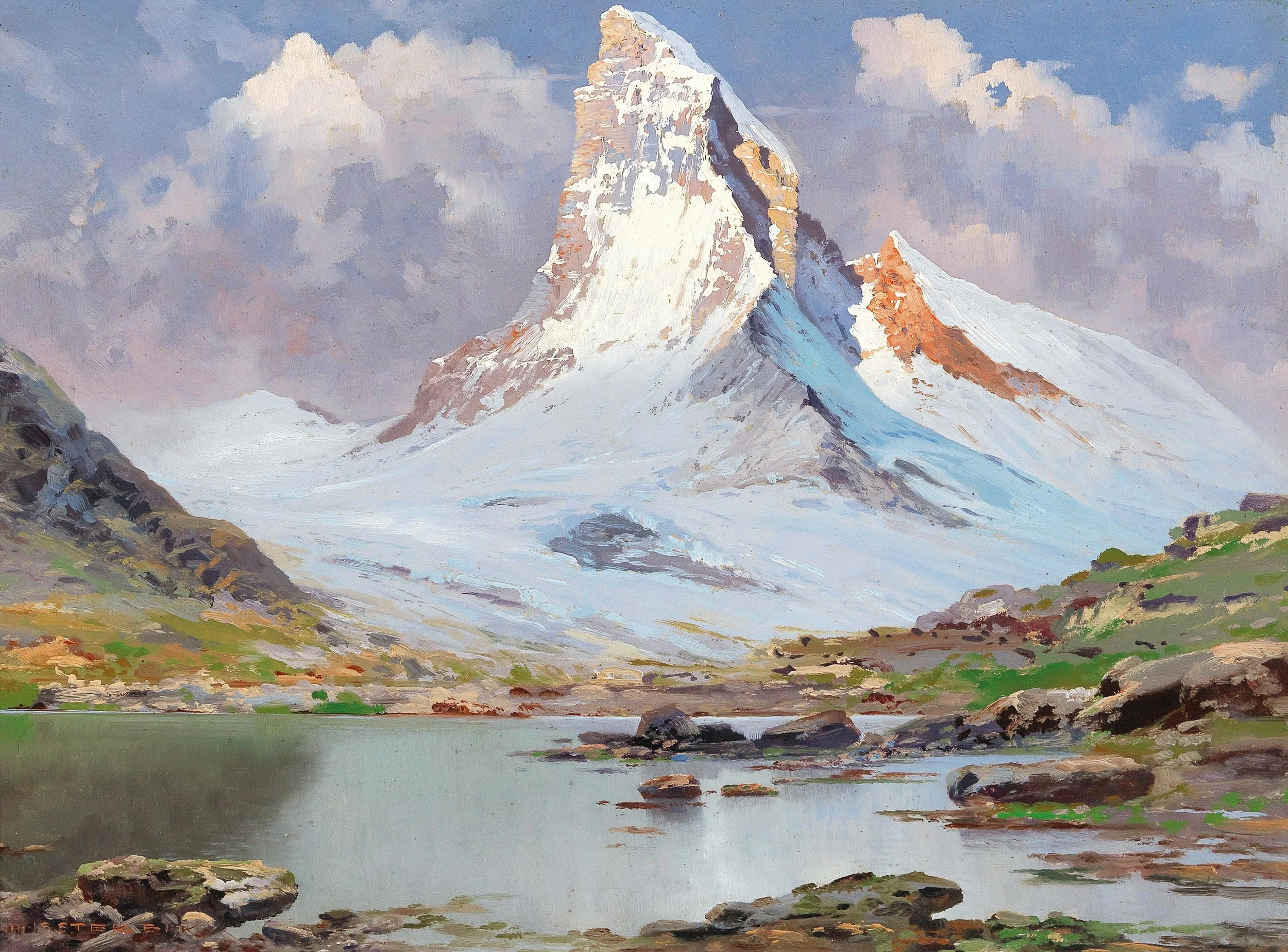
View of the Matterhorn, Toni Haller (Austrian, 1907-1944)
Improving my art skills and transitioning towards an artistic career have been my main focus since 2023. This is what I have devoted most of my time, energy, habits and goals to; but as I was thinking about the goals I want to set for 2026, it came as a shock to me when I realized that art wasn’t in my priorities. After years dedicating myself to my art studies and practice, how could I not have a goal related to art?
When something has become part of your identity, it can be hard to let go. But the more I thought about it, the more I started realizing that where I am right now, not setting definitive art goals for 2026 might be the best thing for me as an artist. I am not a creature of moderation: I go through intense periods of passion and productivity, and balance comes in the form of seasons. There is a time for hard goals, and a time for recollection.
To start this year, I want to share my latest reflections around motivation, the deep creative process, and how I decided to foster my art practice in this beginning of year 2026.
I hope you find useful insights for your own journey, and take this opportunity to wish you a deeply inspiring, rich and creative year 🥂
When Motivation Matters
I believe that motivation alone isn’t reliable for any meaningful artistic work: building skills, putting in the effort and long term commitment it takes to create something significant also require self-discipline and an intimate understanding of the process. But that doesn’t mean motivation isn’t important. It feels great, and it would be a shame not to take advantage of it while it’s there! We might not be able to control the winds, but there is no point in rowing when they are favorable.
There Are Different Types of Motivation
Before setting my goals for 2026, I prepared a presentation on goal setting for my last Craft Office Hour of 2025 at New Masters Academy. As I studied what makes goals more successful or effective, I came across an idea that made me think about my relationship with art. In her book Succeed, Heidi Grant-Halvorson talks about intrinsic versus external motivation, and how both affect the way you approach and reach any given goal.
Intrinsic motivation is a motivation that comes from within: doing something simply because you want to, finding your reward in the activity itself, like reading for pleasure.
External motivation would be doing something for someone else or to get an external reward, like reading to please your parents or to get school credits.
Intrinsic motivation turns out to be a lot more powerful. It makes sense: we all understand that finding joy in the process is key when it comes to doing something consistently over a long period of time. In all cases, we are more likely to do what we enjoy, and to act out of personal choice rather than external pressures.
External rewards used for positive reinforcement can be effective in some situations, but the interesting thing Heidi Grant-Halvorson talks about is that external rewards and pressure can have a negative effect on intrinsic motivation. She takes the example of a book loving teenager who could read for hours on end, and whose reading time decreased after starting to have to reach a daily target for school. As a former literature student, this example resonated deeply with me.
This idea that external incentives and pressure can hurt our passion is something a lot of people who turned their passion into a paying job are familiar with. While not inevitable, it is a phenomenon to be aware of, so we can stay mindful of our motivations and protect what we love.
It got me thinking about my own motivations for art, and how the way they morphed and shifted over time affected my productivity and creativity.
How My Artistic Motivations Shifted
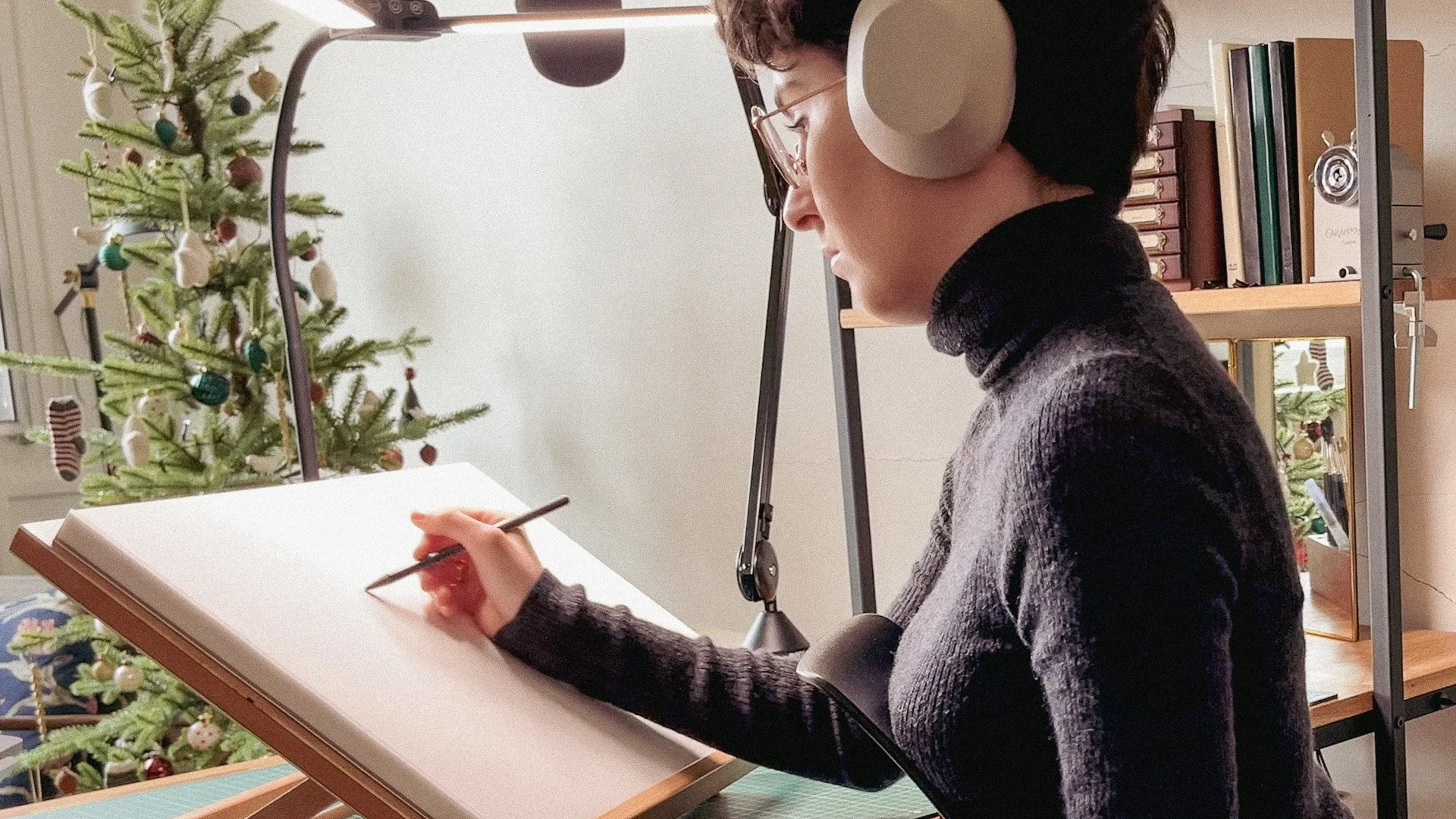
Vlog still, December 2023
My initial impulse for getting back to art in 2023 was very much intrinsic. At the time, I had just gone through difficult times that put what I was doing back then into perspective, and left me with the need of a more meaningful goal to pursue.
I found my answer in art, and more specifically starting to study art online, with a few distinct motivations.
Pursuing a goal was a motivation in and of itself, because I needed it. I noticed a few years ago that working towards something is essential for my wellbeing, and skill improvement is especially rewarding – I would even say healing.
Reconstructing my identity by reconnecting with one of my oldest passions: drawing.
Transitioning towards an art career. For many reasons, the business I had at the time wasn’t as fulfilling as it once had been, I knew it wouldn’t last forever and wanted to start that transition.
It worked out really well: starting my art studies at New Masters Academy fulfilled all these wishes. Within a well designed and structured learning context, my skills improved, giving me the sense of progress and personal accomplishment I needed to feel better, and in turn, investing that regained energy into art. After having put art aside for many years out of frustration and resignation, embracing my identity as an artist and facing the challenges of learning art properly made me feel more aligned with the child I once was. It felt right, and I was investing in my future artistic career.
But my motivations shifted over time, in a very gradual, unnoticeable way. Sharing my journey on YouTube, being very active in the New Masters community, and everything that came from it introduced new external motivations:
Peer pressure through NMA’s culture and by seeing the motivating achievements of other students;
Being a good example in my videos at first, and then as Student Ambassador of Craft at NMA;
Avoid disappointing my teachers.
All these can be positive forces, and they definitely have for me: pushing me to finish the Drawing Foundations module, to study better and make progress by sticking with especially challenging classes. But something has changed, leaving me completely unmotivated to set art goals for 2026. Maybe, all my initial wishes having been fulfilled, these external motivations are all that I am left with, and they’re simply not strong enough to keep me going.
I could force some goals upon myself, and self-discipline my way towards them… But I know myself, and without purpose, this is a sure way to slowly start resenting art; also, I don’t enjoy suffering! Understanding is more effective than brute force, and this leads me to something deeper: what art and creation take.
The Inner Artistic Foundations
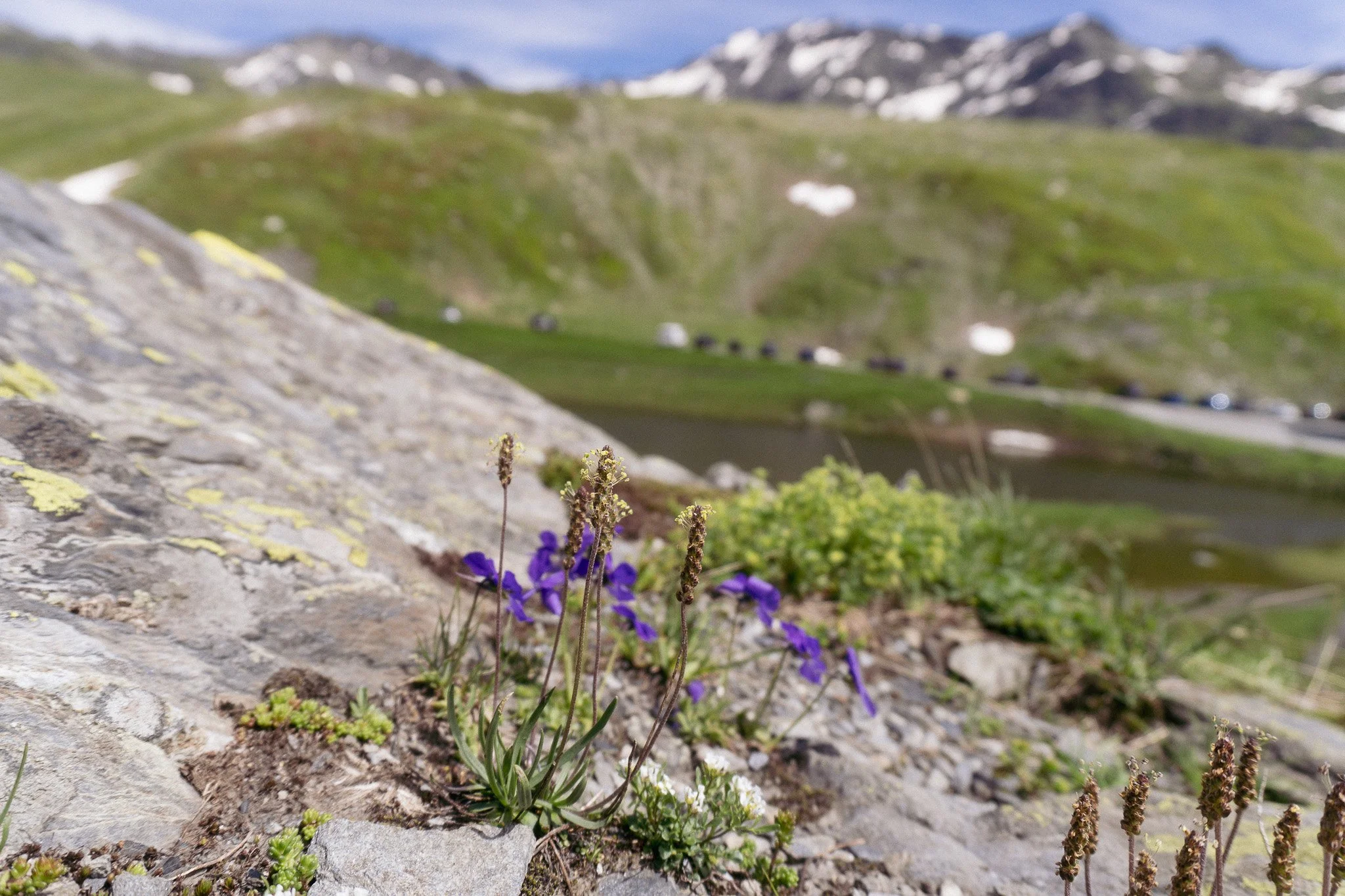
Alpine flowers at the Col du Petit Saint-Bernard, French-Italian border
After my first coaching session at New Masters Academy, my coach sent me the a document with some notes. It contained recommendations, personalized assignments, and a conclusion so beautifully written that I still think about it: « prepare the garden for your dreams to grow ».
This metaphor perfectly encapsulated my situation at the time; and it still holds true. After two years of hard work, I find myself standing in a beautiful garden, and starting to reap some fruits. I have cultivated skills, personal projects, many different courses and practices, and everything has grown to the point where I am facing a choice for the first time. I could keep expanding, or spend that energy attending to the source and roots of my garden.
Everything we build takes maintenance. Sometimes, expansion comes at the expense of the health of our foundations, and the risk is collapse. In the case of pursuing art, that would be starting to resent it, or burning out: something I want to avoid at all costs.
Under all the skills I have built, all my projects, the goals and motivations that allowed this garden to flourish, there is something even more precious, without which nothing can thrive. This treasure, the source of any artistic garden, is the desire to create.
The Creative Impulse
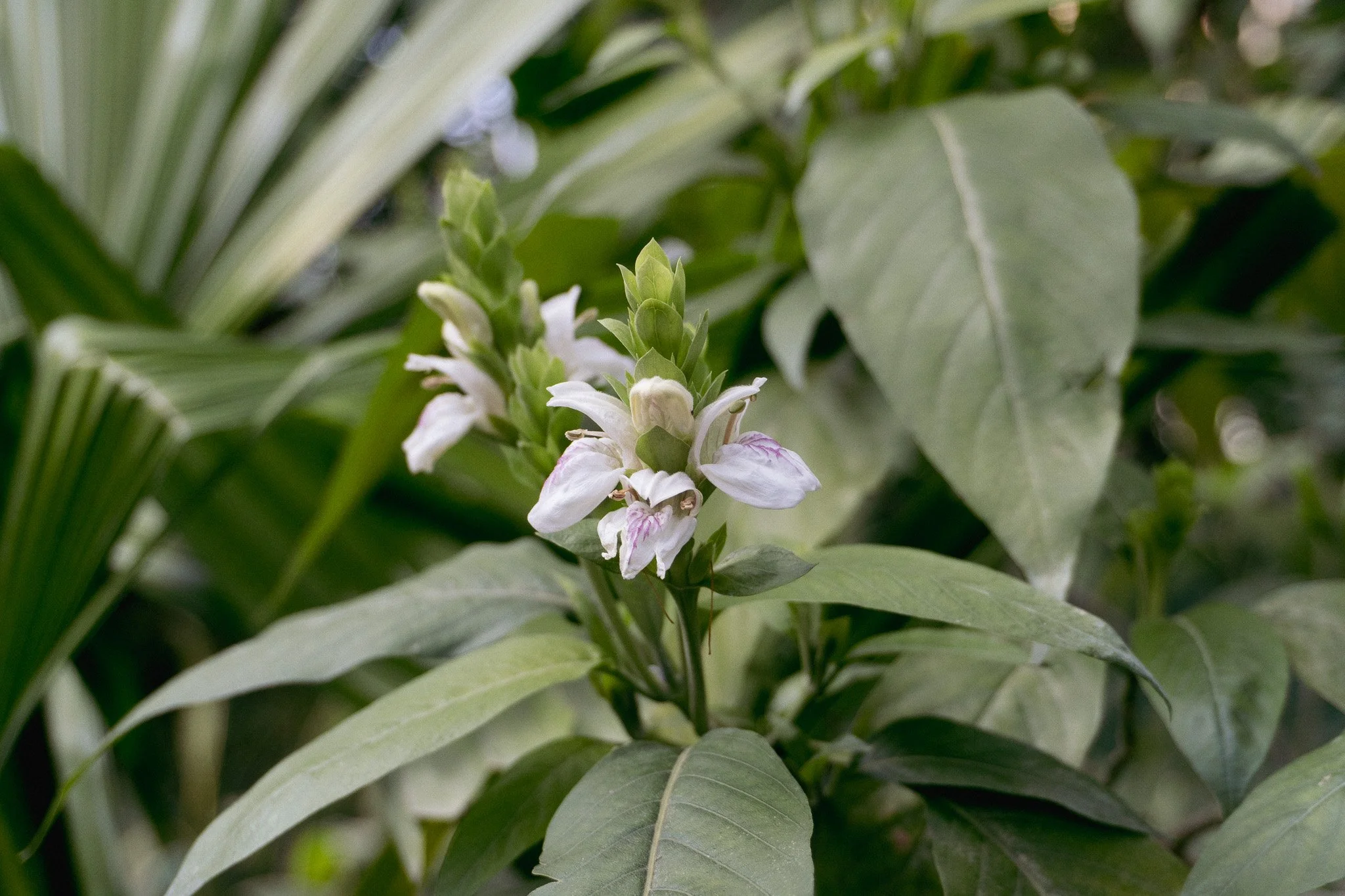
Greenhouse, Parc de la Tête d’Or, Lyon
For me, creativity is inherently human. There is something illogical about our need to make a mark, to turn the raw and meaningless materials that surround us into something else, to express ourselves and our sense of beauty. Art has been an essential part of human existence across time and civilizations, and through unimaginable hardships.
I recently came across William Morris’ interesting view on art. For him, decorative arts serve two distinct purposes: to decorate our surroundings, but also to make necessary work bearable. For him, art is more than an activity, but what keeps the artisan’s spirit alive, and one of his criticisms of industrialization is how it takes creativity, and therefore meaning away from the worker. This was a new perspective to me, but one that makes a lot of sense. Art is a human necessity.
But although we all share the creative impulse, it isn’t as strong for everybody. We all have a creative potential, but it can remain latent, get developed, strengthened, or buried. Our personal experiences, upbringing, culture, and what we consume play an important role in developing creativity.
Nurturing Creativity
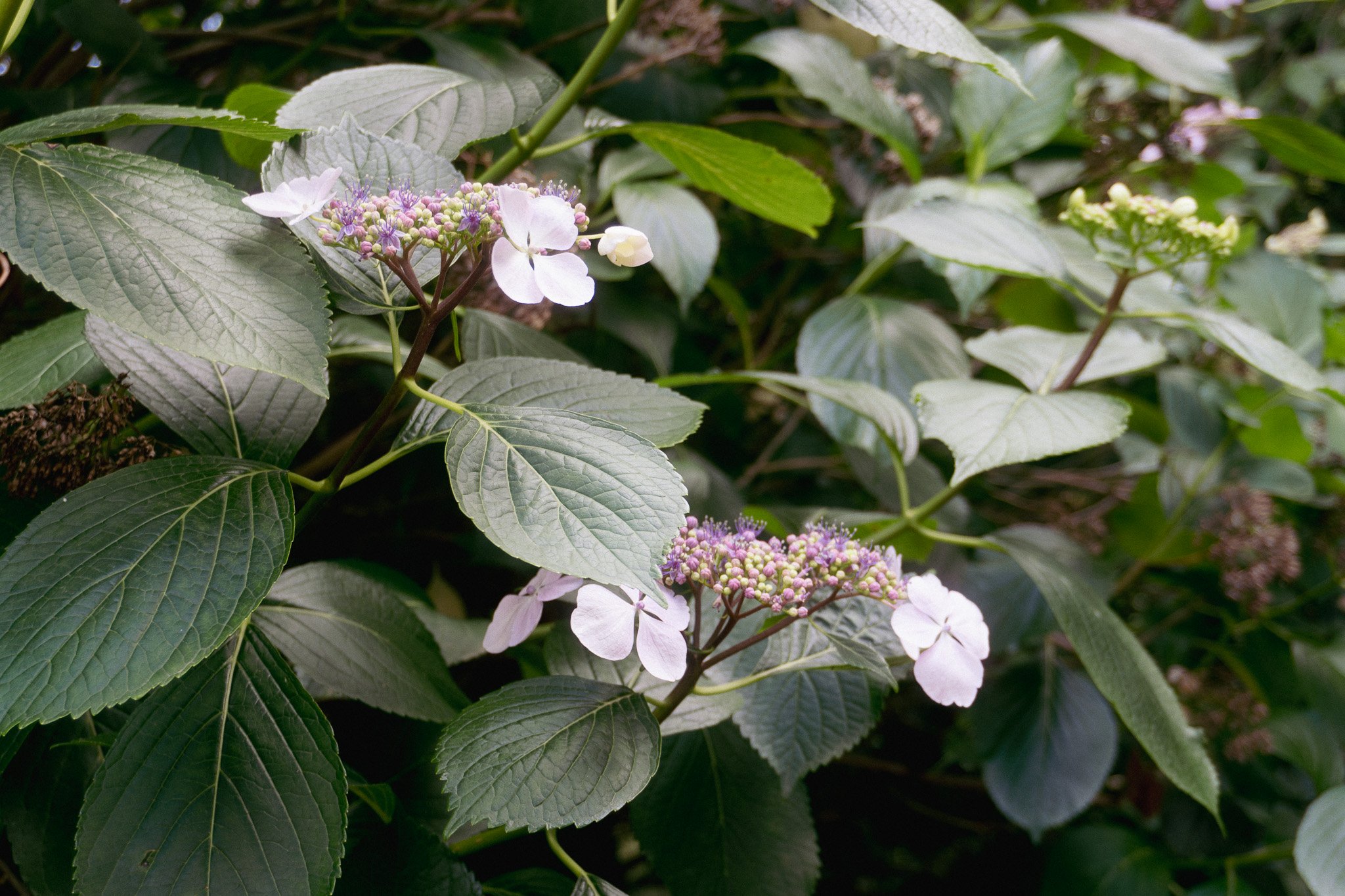
Greenhouse, Parc de la Tête d’Or, Lyon
Creativity isn’t about making things out of nothing, but rather making new connexions between existing ideas. As Eugène Grasset put it in his Méthode de composition ornementale, a beautiful poem isn’t one that is full of new words, but a new and beautiful arrangement of words we already know. But we can’t write without vocabulary, or make connexions without ideas, emotions or experiences: living and consuming different forms of art are important parts of the creative process.
In the same manner, an artist’s voice isn’t found in isolation, but developed as the result of a lot of exposure to different pieces of art. Taste is acquired and refined with education and experiences.
Feeling creative and completing personal pieces is a challenge for a lot of online art students, and it could be in part because of unrealistic expectations about the creative process. Art making doesn’t start in a void, but with inspiration that can come in the fort of consuming art, being visual arts or different art forms, or even life experiences. We can’t make connexions between ideas, symbols, thoughts and feelings without those; and the richest our inner library, the more connexions we can make.
Creativity is something that we can actively nurture and protect.
The Roots of Art Making
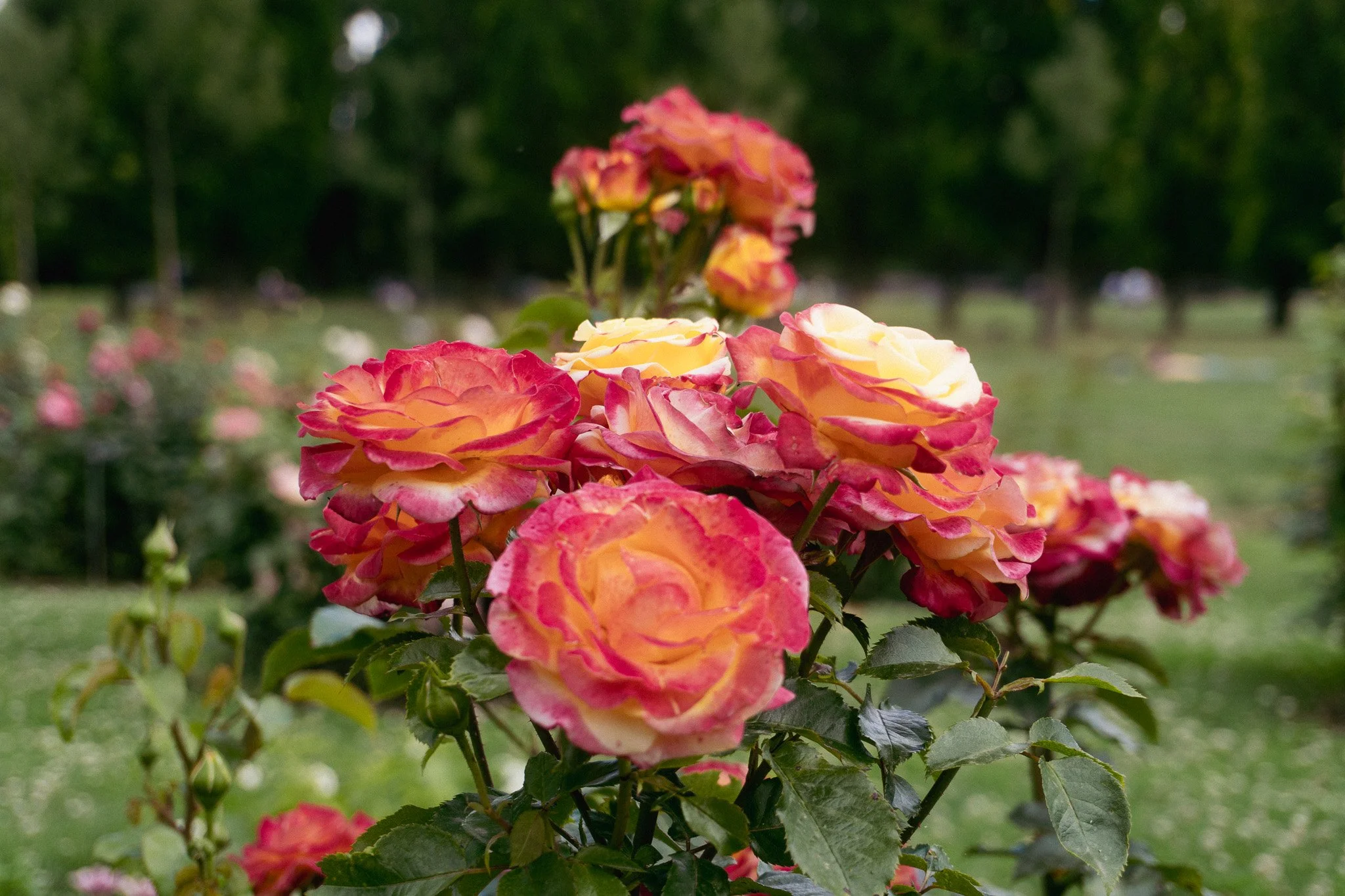
Rose garden, Parc de la Tête d’Or, Lyon
There is another overlooked aspect of art making: personal wellbeing. The tortured artist is a well known and popular trope that I personally don’t buy into, and I think is damaging to art and artists. It has to do with what you consider art to be about. The tortured artist is all about innate talent and passion; but when you consider art as a craft, it also becomes a matter of personal effort, discipline, and sustained dedication. These things thrive in stability, not pain. Learning and making great art can be done in spite of challenging life circumstances, but not because of them.
I realized the importance of personal wellbeing in art making for myself during my art residency at New Masters Village. As the first resident artist, I came before the opening, and the final weeks were incredibly busy and sometimes chaotic. In the middle of this, thrown off my usual routines, in a new workspace that was still taking shape, there were days when I couldn’t draw at all. At the time, I felt terrible about it: I just tried to force myself, felt guilty about not completing as many studies as I had planned, which slowly built a form of anxiety around drawing, making it all worse.
It is only when things calmed down that I was able to understand what had happened. After the first retreats, the village took a slower rhythm, I had gotten used to this environment, and my studio was fully setup and quiet. Add a couple days of rest, and I found myself simply wanting to draw. It turned out that with a clear and rested mind, free time and a creative workspace that worked for me, making art was simple and natural, and it is in that state that I drew my favorite studies there.
This experience allowed me to identify the circumstances that make art easier and enjoyable for me. Yours might be different, but without those healthy roots, things start to wither.
For a Perennial Art Practice in 2026
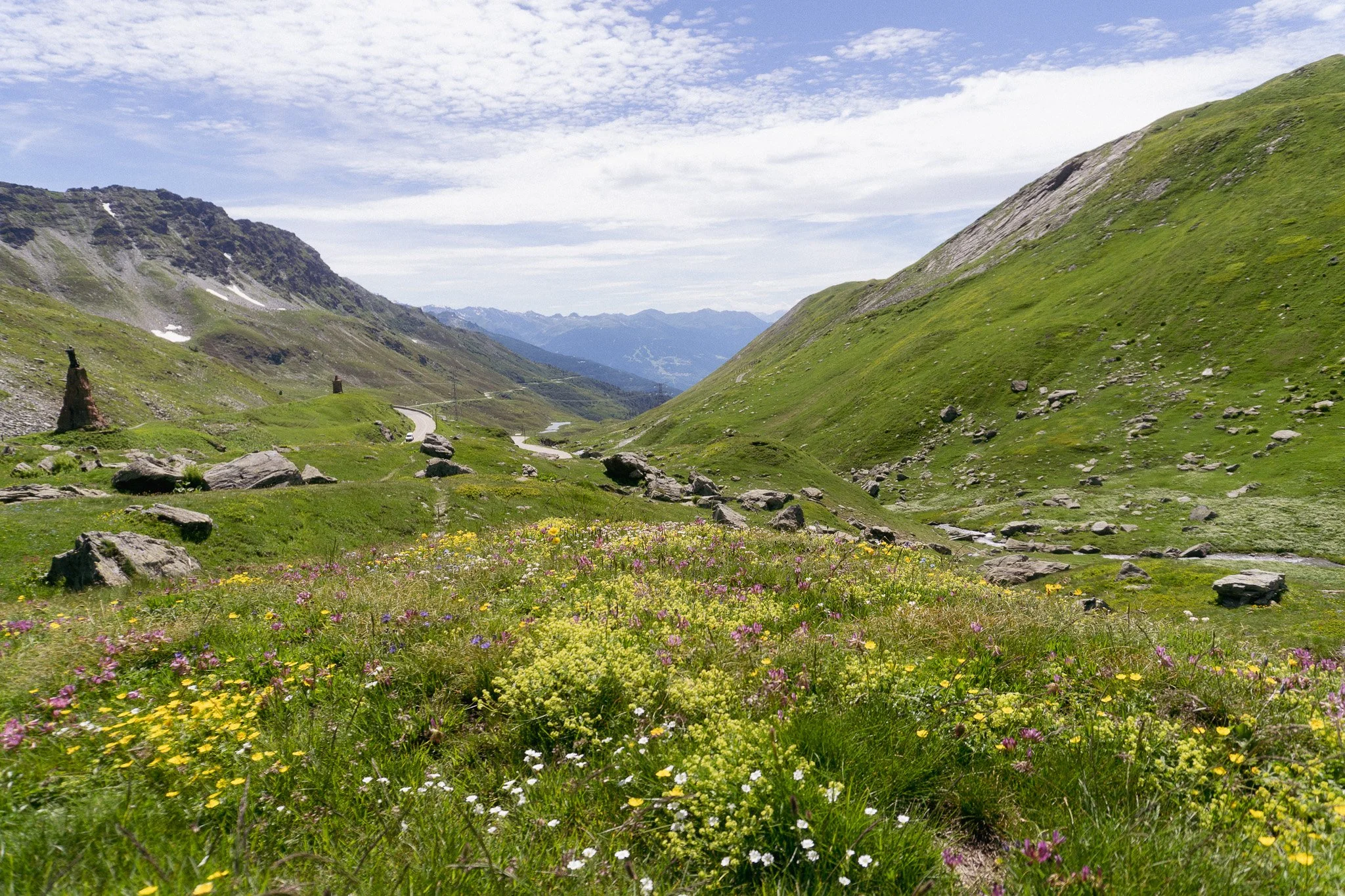
Col du Petit Saint-Bernard, French-Italian border
We all start pursuing art from a place of intrinsic motivation. Art is far less likely to bring money, fame, or approval than other pursuits, which is why one can only become an artist for the love of art itself. Creating is an impulse we all share, but it can manifest itself differently for each one of us: it can be encouraged, nurtured, celebrated or ignored or even buried. But none of that is permanent, and under the right circumstances, creativity flows again.
It truly is a living thing, an ecosystem that unfavourable circumstances or inappropriate care can damage, but where life will always find its way.
As I was considering different options to set myself an art goal for 2026, it came with an emotional weight that made me realize something wasn’t right. In my previous post, I mentioned how goals have a purpose, and specific actions: the specifics we choose should always serve that purpose, but they can sometimes be ineffective, or even counter productive. Above anything else, I want to create something beautiful and meaningful. Because my motivations have shifted, my circumstances have changed, all the habits and systems that had served me for two years are no longer relevant. The way I have cared for my garden so far isn’t good for it anymore, and I have to reevaluate what I am doing if I want to preserve it.
I came to the conclusion that the best way to foster my art practice, in this beginning of 2026, is to avoid any strict or definitive art related goal. I have goals for other aspects of my life this year, some of which I believe can have a deep effect on my creativity and ability to make art.
Letting go is one of the hardest things for me, but the best thing I can do for my art right now is to let nature resume its course, and see what will be growing next.
